Communities

Conservation that begins with the people who live it.

Long-term conservation success depends on people. We work with communities within and surrounding the Greater Kruger to build genuine partnership: not outreach.

Partner With Us
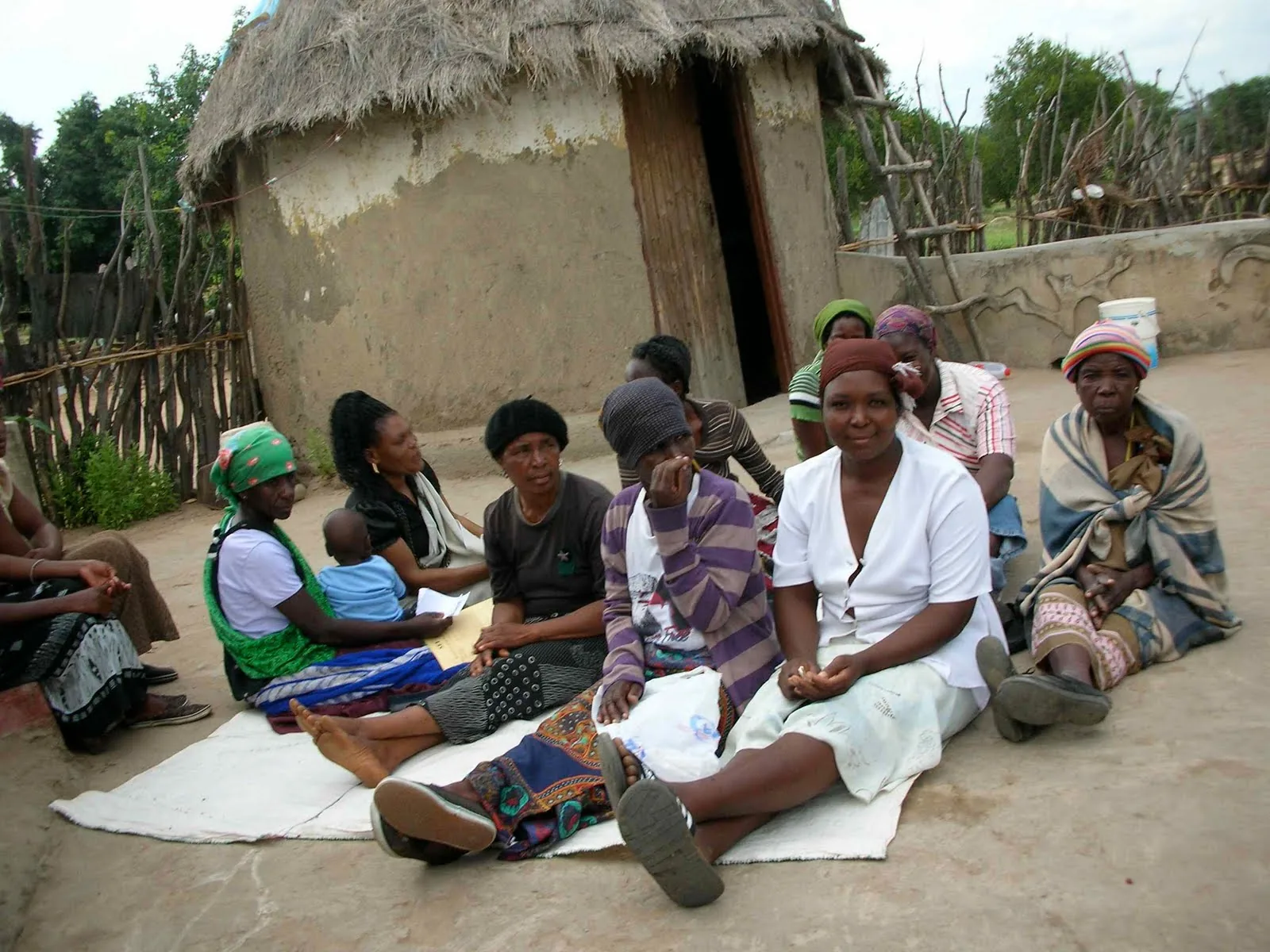
Women of a community savings group meeting together in Tzaneen, Limpopo, near the Greater Kruger
Partnership Principle 1

Understand local priorities

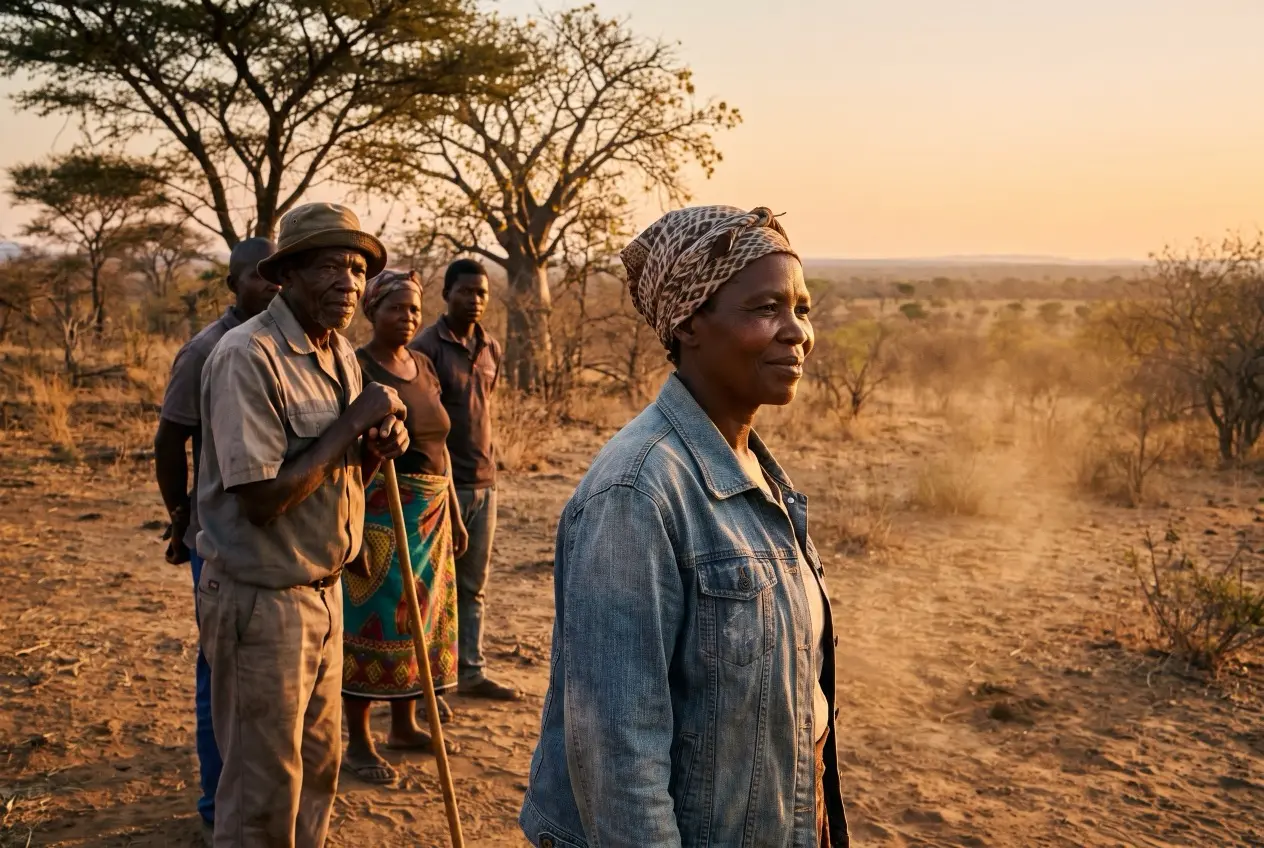
Genuine partnership begins with listening. Before proposing solutions, GKWF invests in understanding the real priorities, pressures, and aspirations of communities who have lived alongside the land for generations. Traditional ecological knowledge is not supplementary context; it is foundational.

  • Structured consultation before designing any intervention
  • Respect for and integration of traditional land and wildlife knowledge
  • Community voices shape program objectives and success metrics
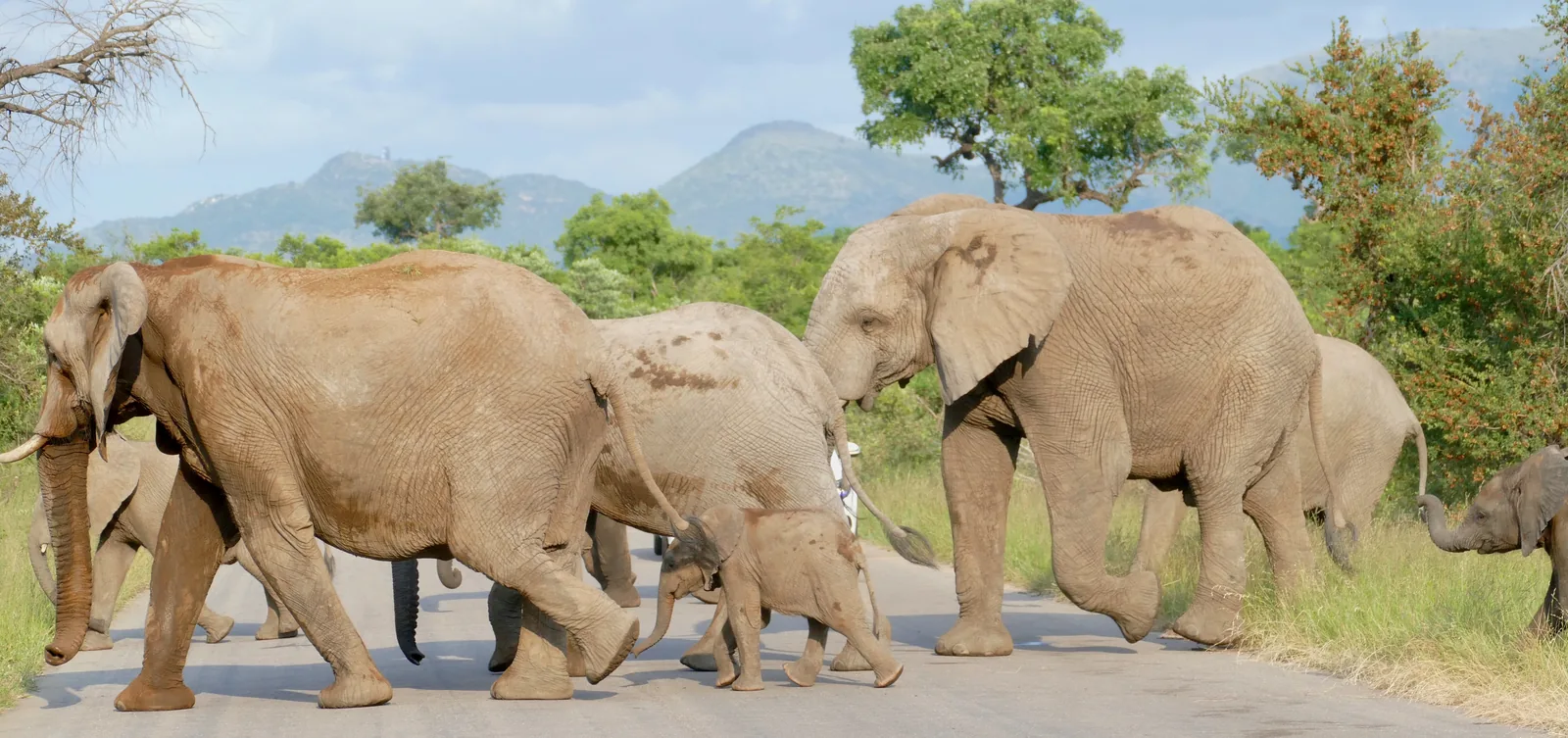
An elephant herd with calves crossing a road in the Greater Kruger
Partnership Principle 2

Reduce human-wildlife conflict

Where livestock and predators share the same landscape, the consequences can be devastating for both families and wildlife populations. GKWF works at this boundary with practical, evidence-based interventions designed in collaboration with the communities who bear the cost.

  • Livestock protection infrastructure co-designed with herders and rangers
  • Compensation frameworks that respond quickly and fairly
  • Early-warning systems and community-led monitoring protocols
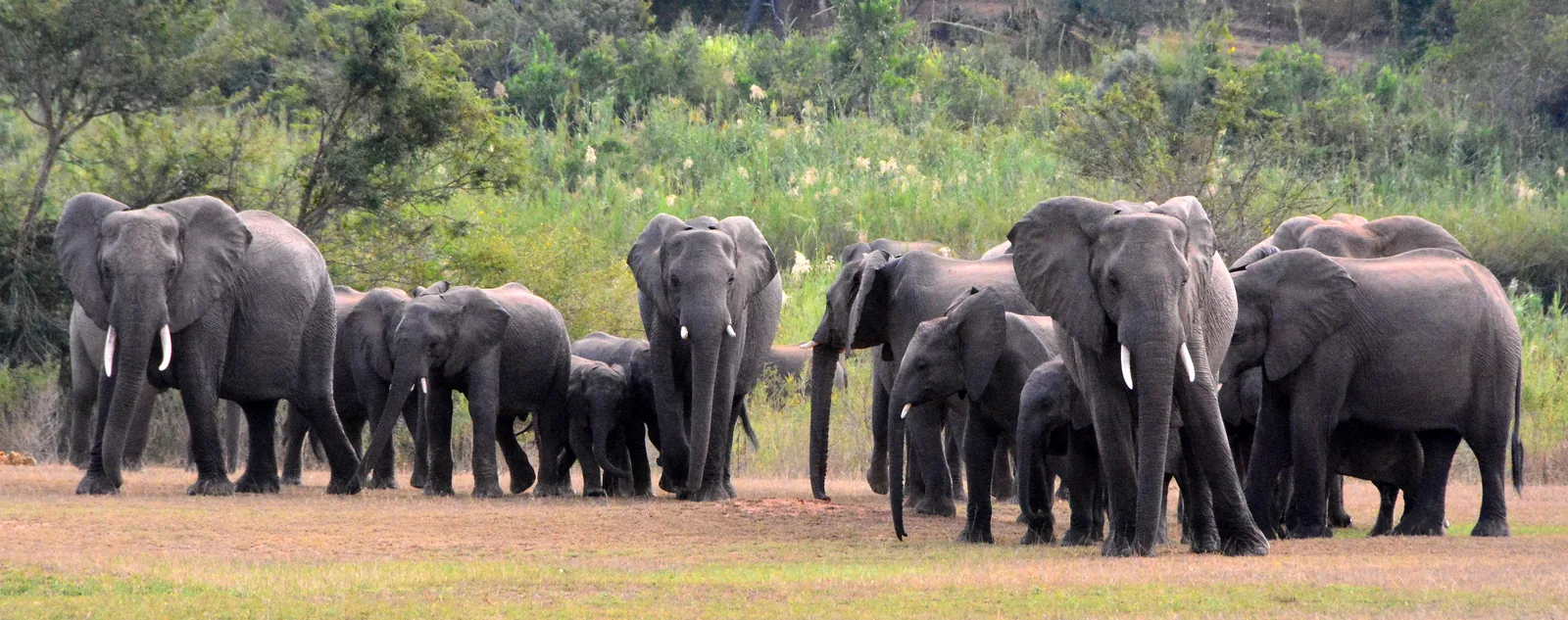
A wild elephant herd in the bushveld of the Greater Kruger
Partnership Principle 3

Identify shared benefits

Conservation is not viable when its costs fall entirely on communities and its benefits flow elsewhere. GKWF structures programs to deliver measurable economic value to community partners: through enterprise development, employment pathways, royalty arrangements, and direct market access.

  • Tourism and hospitality enterprise co-investment
  • Conservation employment and skills pipelines directly into reserves
  • Revenue-sharing and royalty structures where wildlife value is created
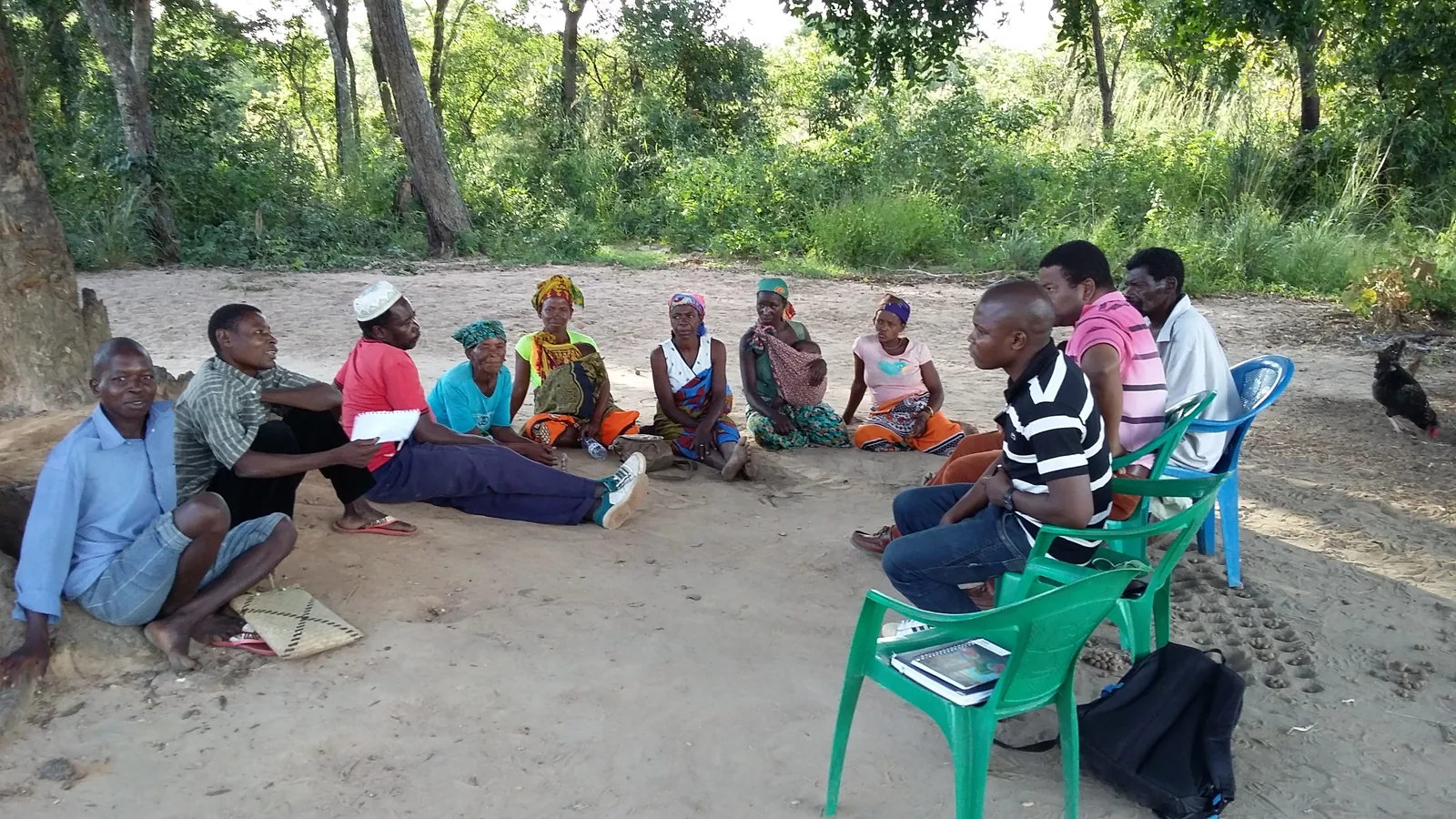
Community members meeting in a circle to plan a local initiative
Partnership Principle 4

Support community-led initiatives

The most durable conservation outcomes are those communities choose for themselves. GKWF provides funding, capacity building, and governance support to community-initiated projects, with community leadership retained at every stage of design, implementation, and evaluation.

  • Grant and seed capital structured to build long-term self-sufficiency
  • Governance and financial management capacity building
  • GKWF facilitates; the community leads and retains ownership

Our goal is not outreach. It is partnership.

GKWF Operating Principle

Community Business Development

Building enterprises alongside the wild.

Community Business Development is a dedicated GKWF programme area focused on creating genuine and lasting economic opportunities for communities that share land, water and their daily lives with wildlife across the Greater Kruger landscape.

The challenges

These communities often live much closer to wildlife than people elsewhere and consequently carry some of the direct costs and risks associated with conservation. At the same time, they face wider development challenges that can limit their ability to benefit from the conservation and tourism economy around them.

These challenges include:

  • access to secure and safe water
  • effective waste management
  • sustainable grazing in areas affected by bush thickening
  • infrastructure such as roads that can restrict access to markets

Livestock producers may have limited access to registered abattoirs and formal value chains. Similarly, local farmers, producers and entrepreneurs may struggle to supply lodges and other tourism businesses because they lack the facilities, certification, consistency or production standards required by the high-end tourism market.

The opportunities

GKWF is particularly interested in innovative initiatives that turn these challenges into enterprise opportunities. Rather than treating water, waste, grazing, infrastructure, food production and market access simply as problems requiring support, the aim is to identify where solving them can create viable local businesses, develop skills and generate cascades of employment.

This could include enterprises linked to:

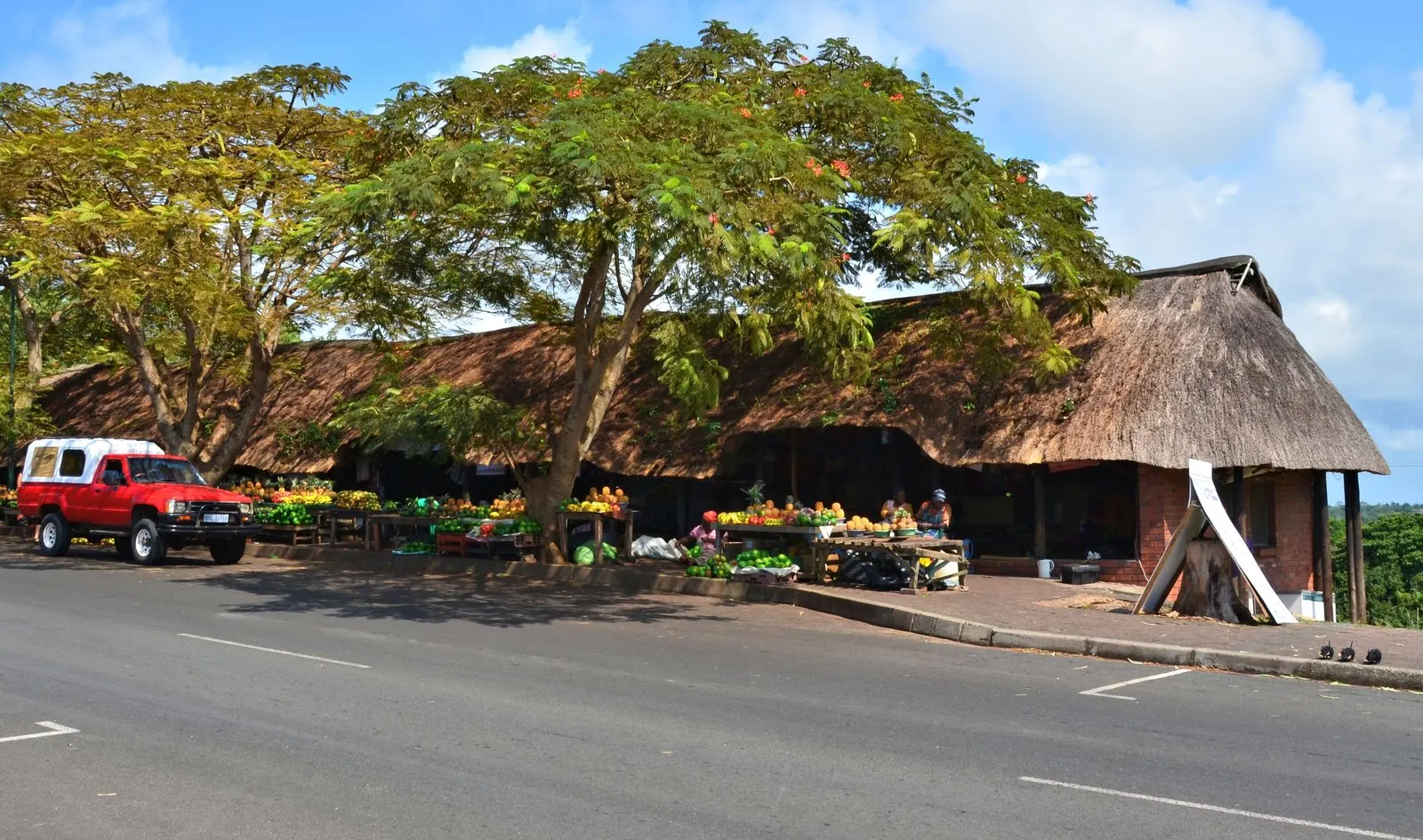
A busy community market near the Greater Kruger, produce stalls run by local traders
  • water services
  • waste recovery
  • rangeland restoration
  • bush biomass utilisation
  • livestock processing
  • food production
  • transport
  • maintenance
  • the supply of quality products and services to the tourism sector

How we invest

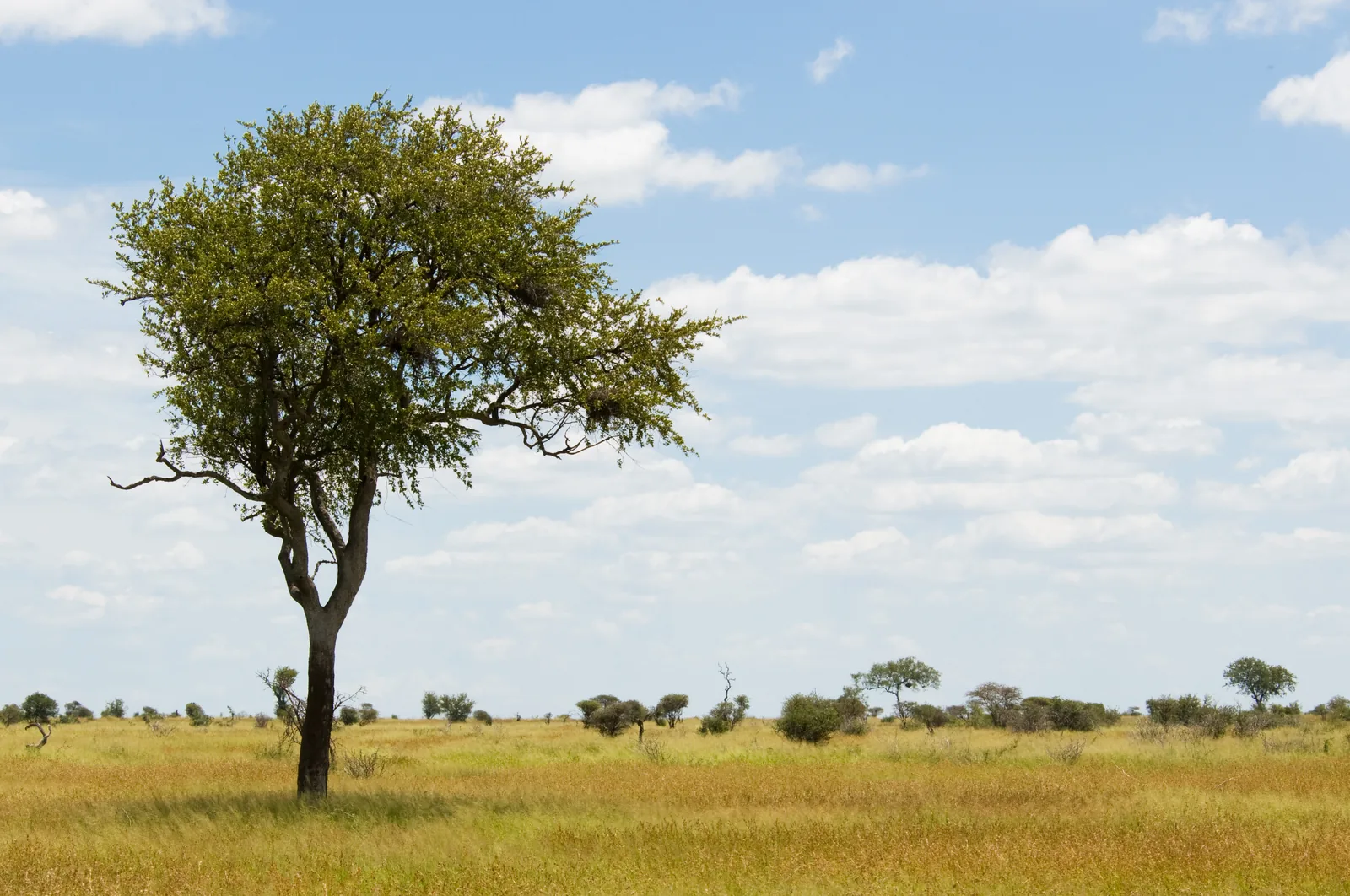
Open savanna landscape in the Greater Kruger
Co-investment

This is not corporate social responsibility delivered at a distance.

It is direct co-investment in enterprises and enabling systems that connect conservation, local economic development and livelihoods. The goal is to create conditions in which living alongside wildlife generates tangible opportunities and conservation becomes increasingly economically rational at household and community levels.

Compensation frameworks

Alongside enterprise development, GKWF administers structured compensation frameworks for households and smallholders who experience the direct costs of human-wildlife conflict.

Where predators take livestock or wildlife causes crop or property damage, timely and fair responses are important for maintaining trust and reducing the unequal burden carried by people living closest to wildlife. Compensation is therefore an important safety net, but the longer-term ambition extends further: to help transform the challenges associated with living in a wildlife-rich landscape into opportunities for enterprise, employment and shared prosperity.

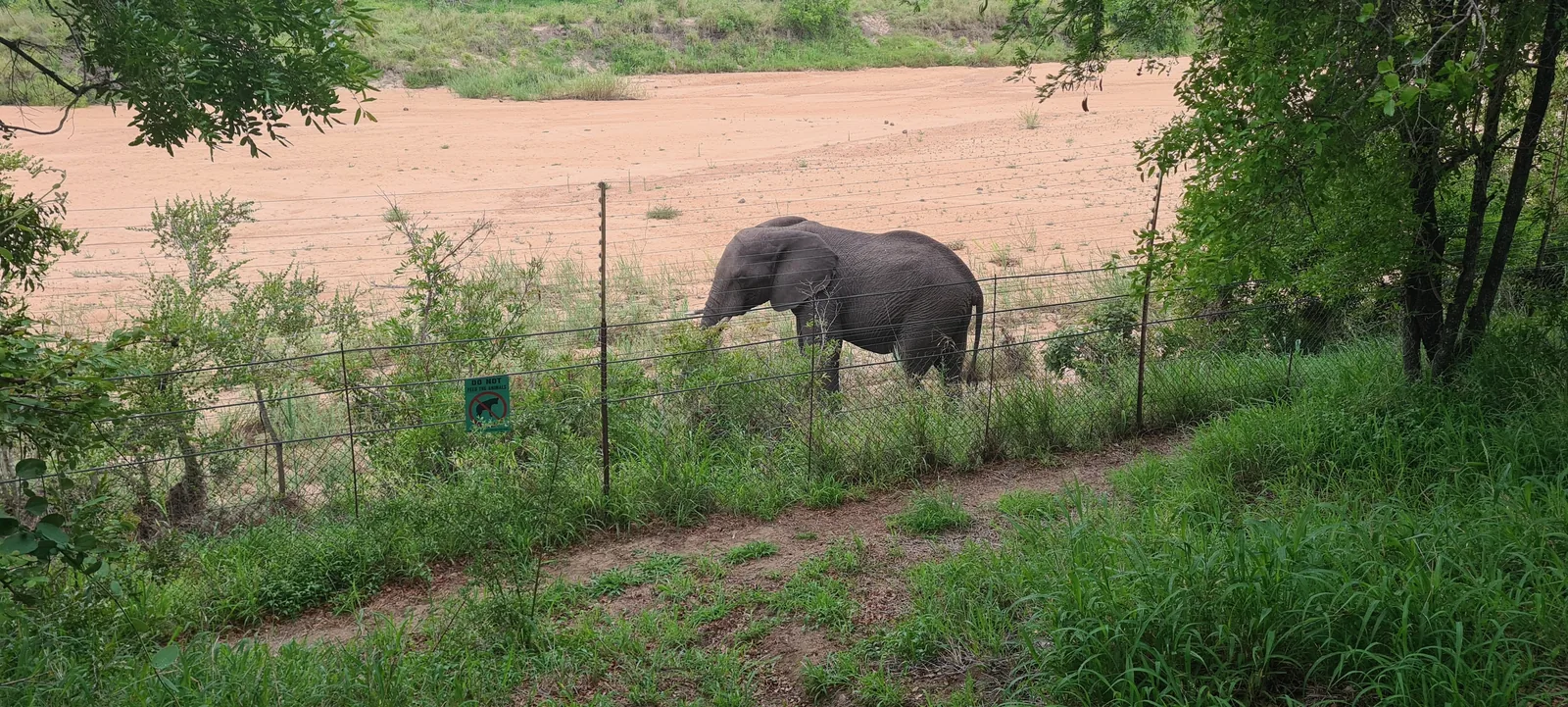
A wild elephant bull at a boundary game fence on the edge of the Greater Kruger, farmland beyond
Four programme areas

Where the investment lands

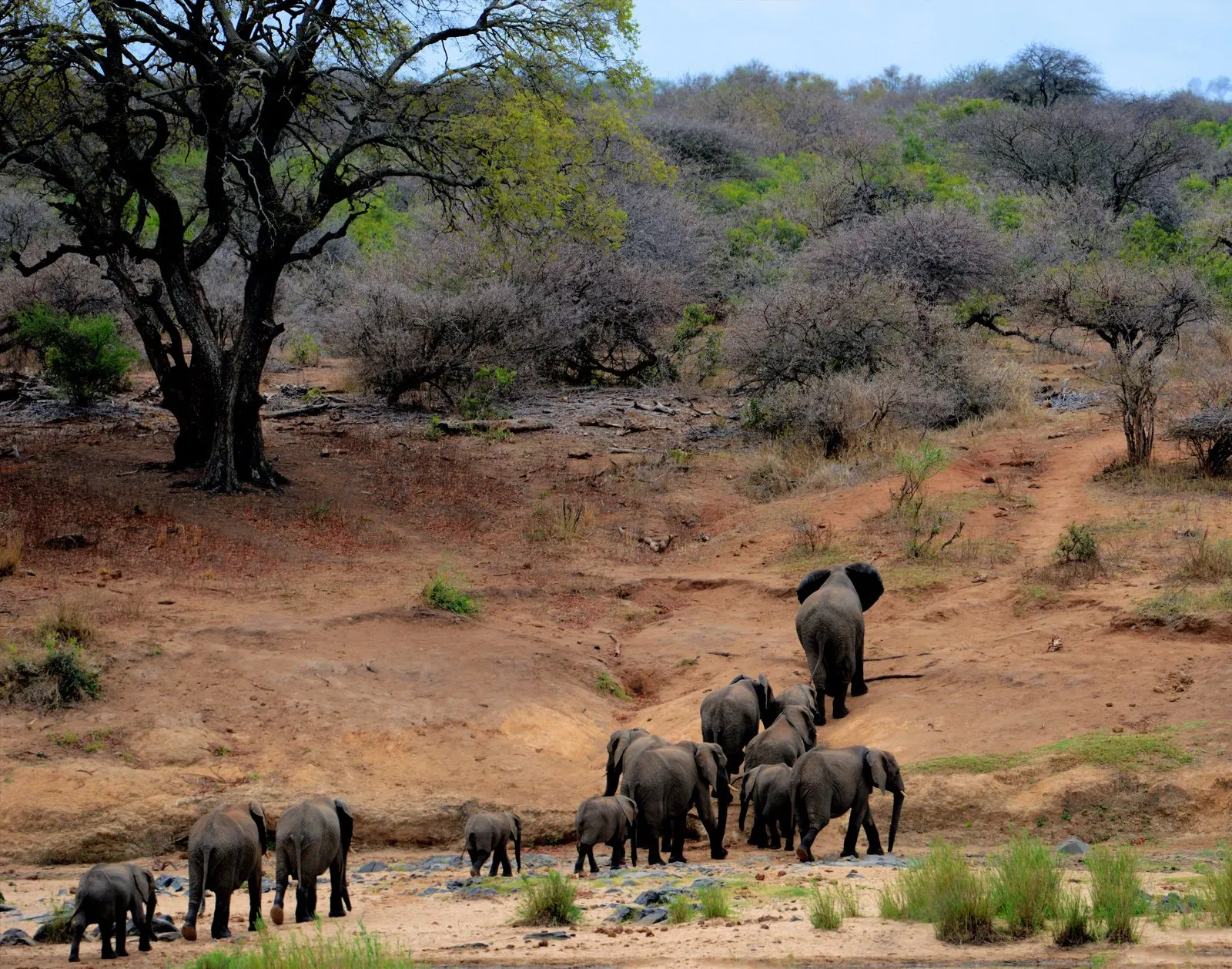
An elephant herd crossing the Kruger landscape, the heart of the tourism experience
Tourism Partnerships

Community-owned wildlife tourism

Co-investment in photographic safaris, cultural immersion experiences, and hospitality enterprises that return revenue directly to the communities in which they operate.

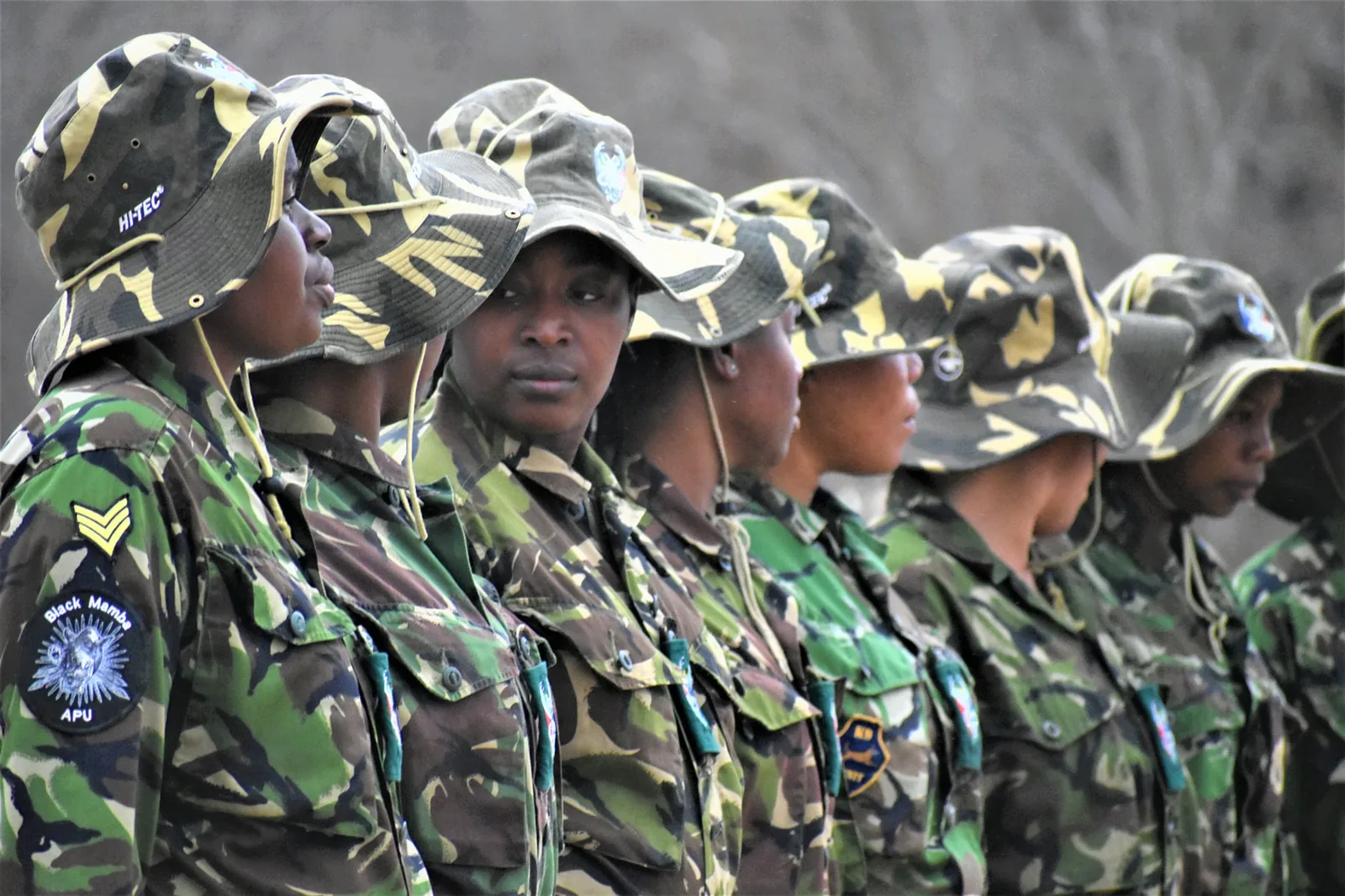
Rangers of the Black Mamba Anti-Poaching Unit on parade in the Greater Kruger
Conservation Employment

Rangers, trackers and field scientists

Skills pipelines from community schools into professional ranger corps, wildlife monitoring teams, and conservation research roles across GKWF partner reserves.

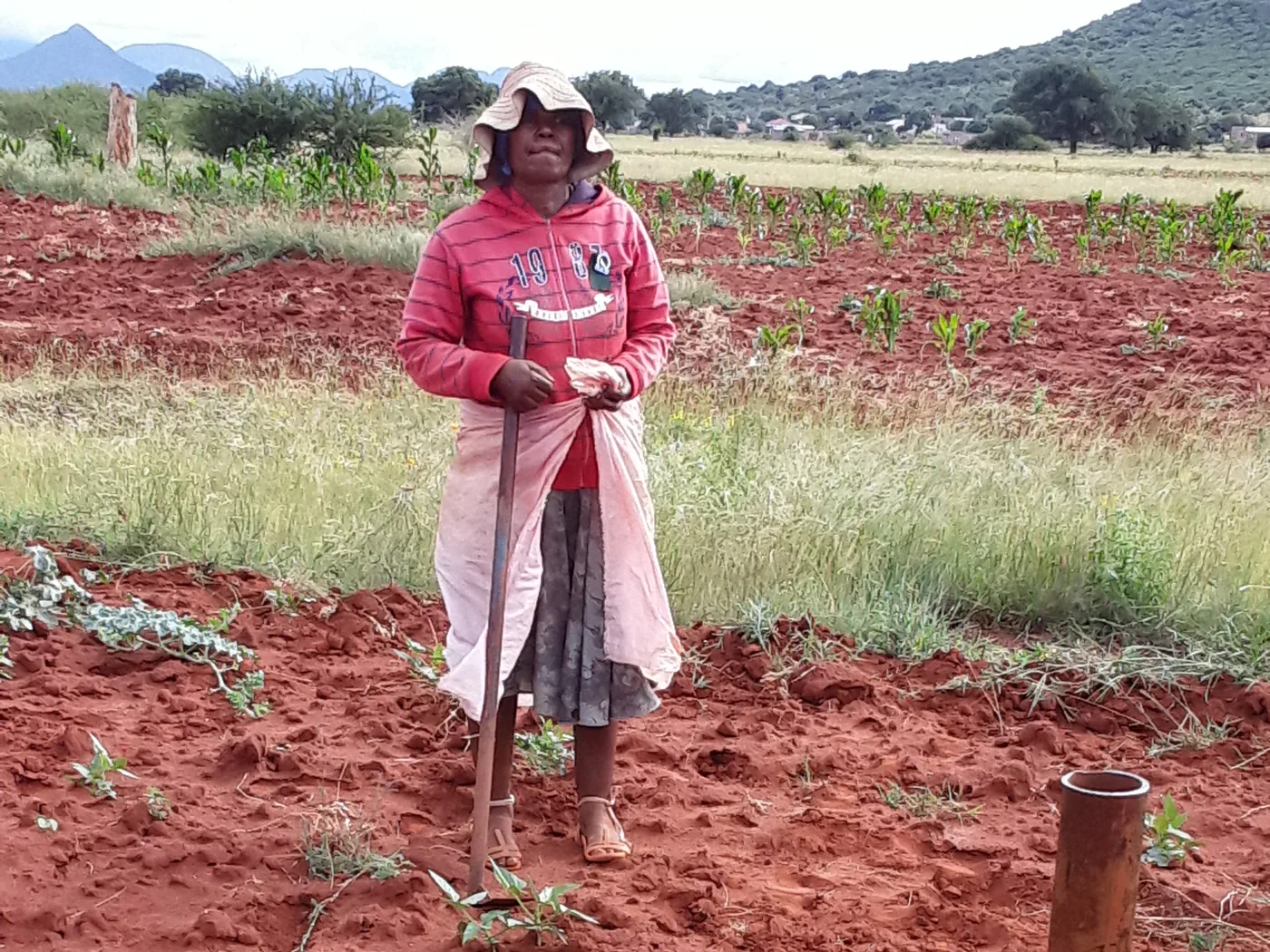
A smallholder farmer working her field in red soil near the Greater Kruger
Agricultural Enterprise

Sustainable smallholder systems

Support for wildlife-compatible agricultural enterprises, fair compensation frameworks, and market-linkage programs that reduce dependence on high-conflict land uses.

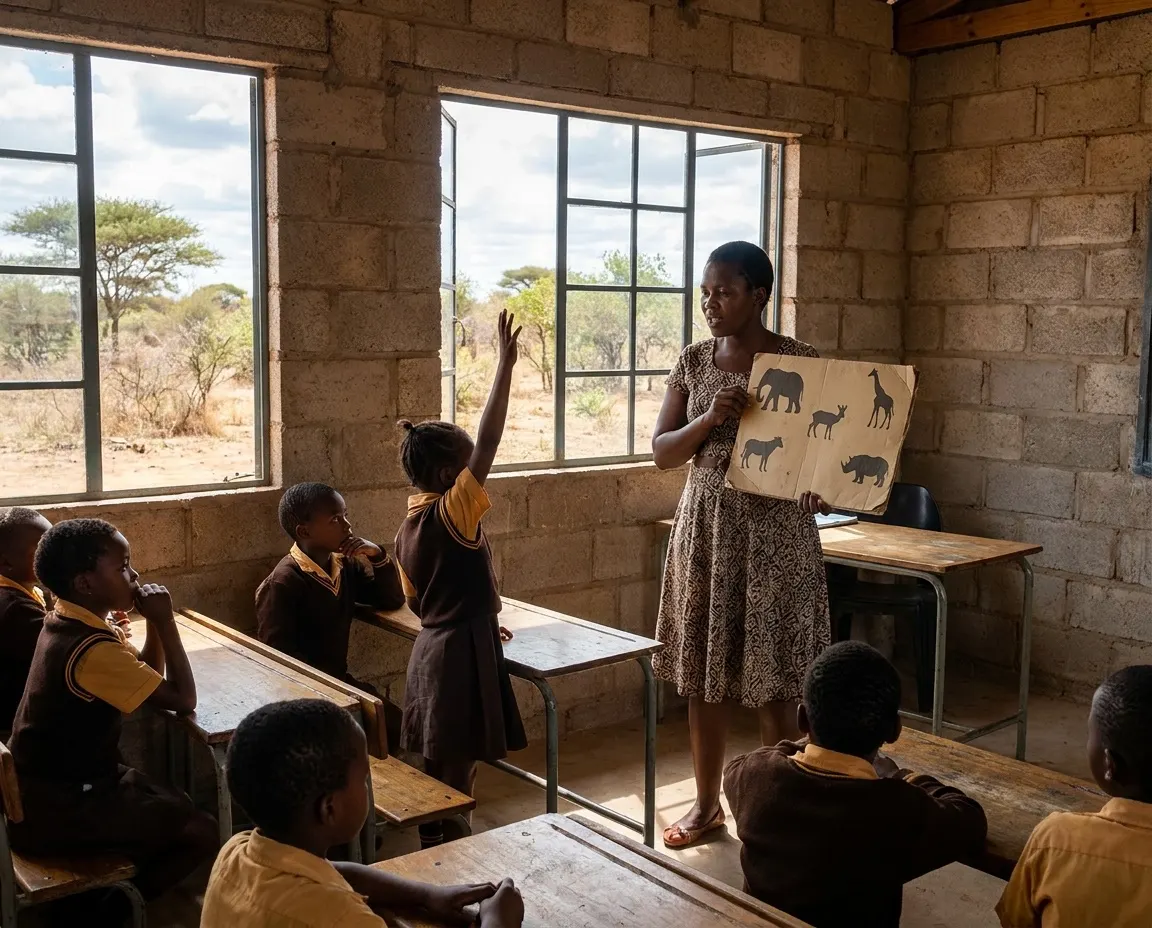
Students in a conservation education class near the Greater Kruger
Education + Skills

Building the next generation of conservationists

Field education programs, conservation scholarships, and vocational training in collaboration with partner universities, embedding long-term human capital in the landscape.

Work With Us

Have a community partnership idea?